
Colonoscopy in Cairo | Accurate Diagnosis with Dr. Abdelaziz El-Saadi
Are you experiencing blood in your stool, persistent changes in your bowel habits, or do you have a family history of colorectal cancer or colon polyps?
A colonoscopy may be the next step toward an accurate diagnosis and the right treatment plan.
The procedure is performed under intravenous sedation to provide a comfortable examination while allowing a detailed evaluation of the colon and rectum using high-definition endoscopic technology.
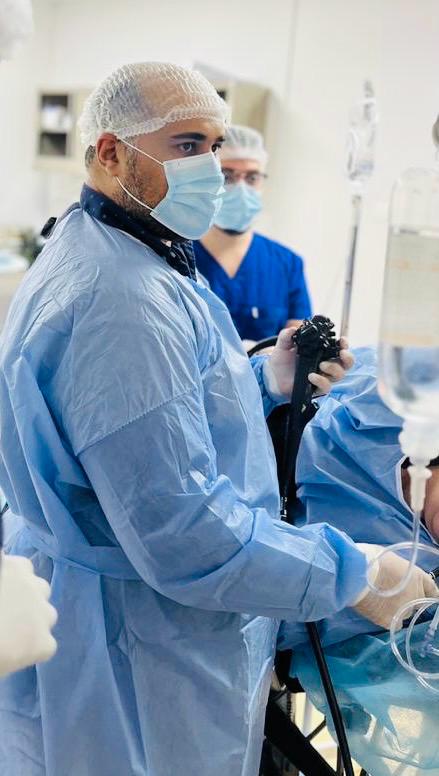
Why Choose Dr. Abdelaziz El-Saadi?
Every colonoscopy is performed with a focus on diagnostic accuracy, patient comfort, and medical safety.
✅ Experienced Consultant:
Procedure personally performed by Dr. Abdelaziz
✅ High-Definition Endoscopy:
Advanced imaging for accurate diagnosis.
✅ Personalized Care:
Assessment before the procedure and clear explanation afterward.
✅ Comfortable Sedated Procedure:
Performed under intravenous sedation.
✅ Strict Sterilization Standards:
Following established infection-control protocols.
When Should You Consider a Colonoscopy?
✅ Routine Screening
Recommended from age 45, even if you have no symptoms.
✅ Family History
If you have a family history of colorectal cancer or colon polyps.
✅ Blood in the Stool
Visible blood or blood detected by stool tests.
✅ Persistent Changes in Bowel Habits
Chronic constipation, diarrhea, or a persistent change in bowel habits.
✅ Persistent Abdominal Pain or Unexplained Anemia
To investigate hidden gastrointestinal disease or bleeding.
✅ Unexplained Weight Loss
Especially when associated with digestive symptoms.
What Can Colonoscopy Detect and Treat?
Colonoscopy is the most effective examination for detecting diseases of the colon and rectum.
It allows early detection of colorectal cancer, identifies colon polyps before they become cancerous, and enables their removal during the same procedure.
Colonoscopy also helps diagnose inflammatory bowel diseases such as Ulcerative Colitis and Crohn’s Disease, and in selected cases can treat gastrointestinal bleeding or internal hemorrhoids without surgery.
How to Prepare for Colonoscopy?
Proper bowel preparation is essential for an accurate examination, Preparation usually includes:
- A low-fiber diet before the procedure.
- Clear liquids the day before.
- Prescribed bowel preparation
- Fasting before the examination
- eview of your regular medications with your physician
Learn more about Colonoscopy Preparation →
FAQ:
What You Need to Know:
- Is colonoscopy painful?
- No. The procedure is performed under intravenous sedation, and most patients remain comfortable throughout the examination.
- Can colonoscopy help prevent colorectal cancer?
- Yes. Removing colon polyps during colonoscopy significantly reduces the risk of colorectal cancer.
- Can I return to work the next day?
- Yes. Most patients resume their normal activities the following day.
- Do I need someone to accompany me?
- Yes. Because of the sedative medication, you should arrange for someone to accompany you home.
- What are the possible complications?
- Colonoscopy is a very safe procedure. Mild bloating or abdominal cramps may occur temporarily. Minor bleeding can occur after biopsies or polyp removal and usually resolves without treatment.
Don’t Delay Your Peace of Mind
Not every patient needs a colonoscopy. A consultation helps determine whether the procedure is necessary.