
GERD: Causes, Symptoms, Diagnosis and Treatments Options
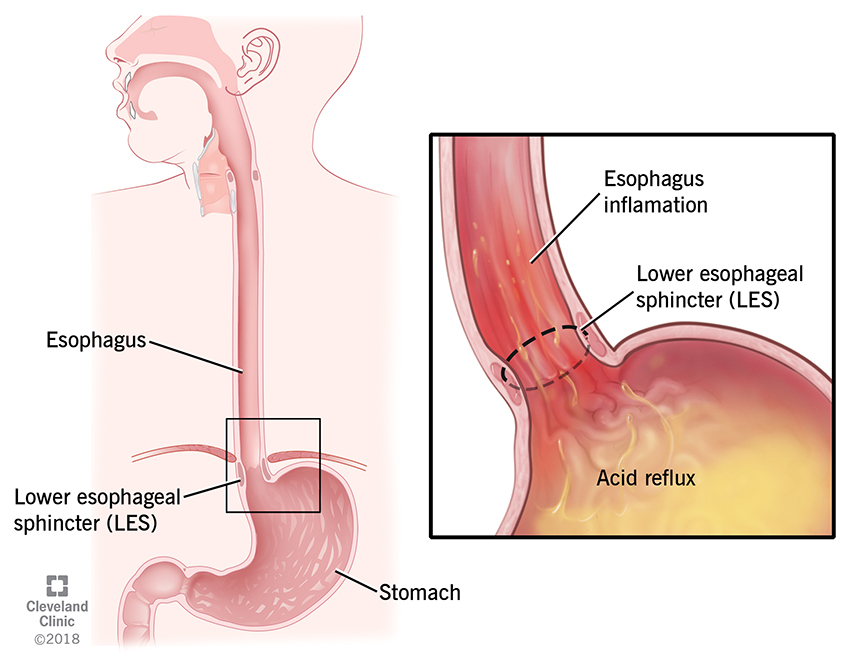
Gastroesophageal Reflux Disease (GERD) is a chronic digestive disorder caused by acid reflux due to weakness of the lower esophageal sphincter (LES). It commonly presents with symptoms such as heartburn, regurgitation, chest discomfort, and ENT-related manifestations. At Dr. Abdelaziz El.Saadi’s clinic in El Manial, we follow evidence-based approaches for accurate GERD diagnosis using clinical assessment and gastroscopy (endoscopy), aiming to prevent complications such as esophagitis, Barrett’s esophagus, or esophageal strictures. GERD treatment includes lifestyle modification, medical therapy, and surgical intervention for hiatal hernia repair. Medical evaluation is strongly recommended for alarm symptoms such as difficulty swallowing or persistent chest pain.
In this article, Dr. Abdelaziz El.Saadi — Consultant of Internal Medicine, Gastroenterology, Hepatology, and Endoscopy — explains the accurate diagnosis of GERD, the latest treatment modalities, and potential complications according to modern medical protocols.
Causes of GERD
Several factors contribute to the development of GERD, includingses of GERD
2
Lower Esophageal Sphincter Weakness
Inadequate closure of the sphincter allows gastric contents to reflux.
3
Smoking
Reduces LES tone and increases gastric acid secretion.
4
Stress and Anxiety
Can worsen reflux symptoms and impair gastrointestinal motility.
5
Diet & Medications
Fatty meals, caffeine, chocolate, and certain medications such as NSAIDs may aggravate symptoms.
6
Gastric Conditions
Including peptic ulcer disease and Helicobacter pylori infection.
Symptoms of GERD
Digestive Symptoms
Acid regurgitation with a bitter or sour taste
Heartburn or retrosternal burning sensation
Difficulty or pain during swallowing (dysphagia or odynophagia)
Persistent nausea.
Psychological Symptoms
Anxiety and chronic stress
Sleep disturbances.
Panic-like episodes related to choking sensations
Respiratory Symptoms
Chronic cough.
Shortness of breath.
Exacerbation of asthma symptoms
ENT & Dental Symptoms
Dental erosion and recurrent cavities.
Chronic throat irritation or sinus congestion
Sensation of a lump or mucus in the throat (globus sensation)
Hoarseness or persistent sore throat
Potential Complications
Untreated or poorly controlled GERD may result in:
- Esophageal Ulcers.
- Gastrointestinal Bleeding.
- Reflux Esophagitis
- Esophageal Stricture: leading to progressive swallowing difficulties.
- Barrett’s Esophagus: Precancerous condition increasing the risk of esophageal cancer
How is GERD Diagnosed?
Diagnosis is individualized and may include:
- Clinical History: Careful assessment of symptoms and medical history.
- Upper Endoscopy (Gastroscopy): To evaluate the esophagus, stomach, and duodenum and detect complications.
- Ambulatory pH Monitoring: To objectively measure acid exposure in the esophagus over 24–48 hours when needed.
Treatment of GERD
1. Lifestyle Modifications
- Weight eduction.
- Avoidance of trigger foods
- Smoking cessation.
- Avoid eating at least 3 hours before bedtime
- Elevating the head of the bed during sleep.
2. Medical Treatment
- Antacids, H2 blockers, and Proton Pump Inhibitors (PPIs) tailored to symptom severity and duration.
3. Surgical or Endoscopic Management: Considered in selected cases, including:
- Development of GERD-related complications
- Presence of a significant Hiatal Hernia.
- Persistent or recurrent symptoms despite optimal medical therapy
When Should You See a Doctor ?
Seek immediate medical evaluation if you experience:
- Severe or persistent chest pain.
- Progressive difficulty in swallowing.
- Vomiting blood or passing black, tarry stools.
- Persistent or unexplained shortness of breath.
Accurate diagnosis and individualized treatment are essential for effective GERD management.